






The Importance of Museums in Preserving Human Heritage
Definition of Museums and Their Role in Society
Museums are among the fundamental cultural institutions that contribute to Preserving Human Heritage. The mission of a museum is to collect, preserve, and display artifacts, artworks, and scientific specimens, making it a vital platform for education and community engagement. Museums are not merely spaces for exhibiting items; they are living environments that enhance cultural awareness and educate visitors about history, science, and the arts.
Museums are divided into several types, including historical museums that narrate the stories of nations and peoples, art museums that display artworks from different eras and cultures, and scientific museums that highlight developments and innovations in various fields of science. Each of these types plays a unique role in documenting cultural heritage and strengthening community identity.
Furthermore, museums play a crucial role in education. They offer educational programs and workshops suitable for all ages, providing visitors with an opportunity to gain a deeper understanding of different aspects of cultural heritage. Through interactive activities, visitors can engage with exhibits in ways that make the learning experience more vivid and enriching. Museums also serve as distinctive social spaces where people from various cultural backgrounds can meet, exchange ideas, and share knowledge.
Therefore, museums emerge as essential elements of society, contributing to the preservation of human heritage and providing opportunities for learning and cultural interaction. They are not just exhibition spaces but dynamic centers connecting the past with the present, deepening our understanding of the world around us.
The Grand Egyptian Museum
Just steps away from the timeless Pyramids of Giza stands the Grand Egyptian Museum (GEM) — one of the greatest cultural projects in human history, acting as a bridge that connects the glory of the Pharaohs with modern Egypt.
It is not just a museum but an entire cultural city spanning half a million square meters, making it the largest archaeological museum in the world dedicated to a single civilization — ancient Egypt.
The idea for the Grand Egyptian Museum began in 1992 when the Egyptian government realized that the old museum in Tahrir Square could no longer accommodate the ever-growing number of discovered antiquities.
In 2005, the foundation stone was officially laid, marking the start of the largest cultural project in the Middle East, co-funded by the Egyptian government and the Japan International Cooperation Agency (JICA), under the supervision of the Ministry of Tourism and Antiquities and executed by the Egyptian Armed Forces Engineering Authority in collaboration with major Egyptian and international companies.
Construction continued for over twenty years, involving thousands of engineers, workers, and experts from Egypt, Japan, and other countries — resulting in a monumental edifice worthy of Egypt’s 7,000-year-old history.
The museum houses more than 100,000 artifacts narrating the story of the Egyptian people from pre-dynastic times to the end of the Pharaonic era, including the complete collection of King Tutankhamun displayed for the first time in one place.
The importance of the Grand Egyptian Museum lies in its role as the largest cultural and touristic project in modern Egyptian history. It is not only a display center but also a scientific and research beacon that includes advanced restoration labs, educational halls, and recreational and commercial areas — making it a comprehensive destination for visitors from around the world.
In this majestic structure, modern technology meets human creativity, transforming history into a living experience that allows visitors to feel awe and pride for a civilization that laid the foundations of humanity.
The Grand Egyptian Museum is one of Egypt’s most ambitious national projects, showcasing excellence and creativity in the preservation of cultural heritage.
Located near the Giza Pyramids, it is designed to be one of the largest museums in the world, covering an area of approximately 480,000 square meters. The idea of building this museum emerged in the early 2000s in response to the pressing need to preserve and display Egyptian antiquities according to global standards.
Its cultural and historical significance goes beyond being a museum — it is also a center for archaeological and historical research. The museum aims to provide a suitable scientific environment for studying ancient Egyptian civilization, making it a preferred destination for scholars and researchers worldwide.
Moreover, the museum focuses on raising cultural awareness among Egyptians and international communities, enhancing the value of Egyptian heritage as an inseparable part of human history.
One of its most striking features is its ability to attract tourists. It stands as a primary destination for culture and history enthusiasts, showcasing a vast collection of artifacts, including the famous treasures of King Tutankhamun — heightening visitors’ curiosity to continue exploring the Pharaonic civilization.
Thus, the Grand Egyptian Museum is not only a beacon of Egypt’s ancient history but also a vital platform for attracting tourism and supporting Egypt’s economy.
Location of the Grand Egyptian Museum
The Grand Egyptian Museum is a remarkable national project that adds an outstanding landmark to Egypt’s tourism scene, strategically located near the Giza Pyramids.
This area is one of the world’s most prominent tourist destinations due to its rich history and cultural significance. The museum’s proximity to the Pyramids — one of the Seven Wonders of the Ancient World — enhances the overall appeal of the area, making it an essential stop for tourists from all over the globe.
The infrastructure surrounding the museum provides great convenience for visitors. Modern paved roads ensure easy access, while public facilities such as parking lots, restaurants, and shops offer all necessary services, making the museum an ideal destination for families and culture lovers alike.
Additionally, the area is well-served by public transportation, making it easy for those using public transit to reach the museum. Both its prime location and modern infrastructure strengthen its status as a major cultural and tourist center, serving as a perfect gateway to explore ancient Egyptian heritage.
Therefore, the Grand Egyptian Museum’s location makes it a unique destination combining history, culture, and travel comfort.
Architectural Design of the Museum
The Grand Egyptian Museum features a unique architectural design that reflects the grandeur and heritage of ancient Egyptian culture. It adopts modern architectural techniques and materials, making it one of the most prestigious national projects in the country. The structure extends widely across the horizon, aiming to integrate natural elements with traditional artistic design.
The design blends modern and oriental dimensions, incorporating features reminiscent of the past, creating a sense of continuity between history and the present. Its stunning façade, made of glass and stone panels, reflects sunlight beautifully while allowing natural light to enter much of the building. The extensive use of glass enables multiple viewing angles of the exhibits, enhancing the visitor experience.
The interior spaces are intelligently designed to be both practical and visually appealing. The galleries are spacious, displaying the artifacts with precision and care. The warm tones and wall art evoke the Egyptian spirit, narrating the story of its civilization. Every detail, from the furniture selection to lighting distribution, has been carefully considered to ensure a high-value cultural experience.
Combining these elements, the architectural design of the Grand Egyptian Museum stands as a testament to Egypt’s national vision for heritage preservation, employing contemporary innovations suitable for the 21st century. Visitors will appreciate the artistic impact of this project, which not only promotes Egypt as a tourist destination but also deepens global understanding of its rich history.
Displayed Archaeological Collections
The Grand Egyptian Museum houses an extraordinary collection representing the history and civilization of ancient Egypt. As one of the nation’s largest cultural projects, it aims to present Egypt’s heritage in the best possible light.
The exhibits include an array of artistic and historical pieces ranging from colossal statues to everyday tools and stone inscriptions. One of the highlights that will undoubtedly captivate visitors is the complete Tutankhamun collection, including the famous golden funerary mask — a testament to the richness of ancient Egyptian art and craftsmanship.
The museum also features carved pyramid models, funerary furniture, and jars used in burial rituals, revealing the religious practices and daily life of the ancient Egyptians. These displays make the museum a unique destination for history students and archaeology enthusiasts alike.
Additionally, special halls allow visitors to explore different historical periods interactively. The diversity and richness of these artifacts make the Grand Egyptian Museum a global cultural and touristic attraction.
The Library and Educational Facilities
The library within the Grand Egyptian Museum is a cornerstone for developing understanding and enriching knowledge about ancient Egyptian civilization. Visitors and researchers will have access to a comprehensive collection of educational materials, including books, journals, and scientific research covering various aspects of Egypt’s history and culture.
The library also provides resources tailored for students and scholars, facilitating research and study on related subjects.
In addition to the library, the museum offers a variety of educational programs aimed at enhancing cultural and artistic awareness. These include workshops, lectures, and guided tours that promote experiential learning.
Such activities attract diverse audiences — from students and families to those passionate about culture and art.
Through these educational facilities, the museum aims to inspire future generations and foster appreciation for Egypt’s cultural and civilizational heritage. Providing strong educational resources within the museum marks a crucial step toward developing a deeper understanding of ancient Egyptian civilization and its influence on the world.
These programs also open the door for further research and discovery, helping build a comprehensive and profound view of Egypt’s rich past.
Modern Technology in Exhibitions
As part of its mission to offer visitors an exceptional experience, the Grand Egyptian Museum integrates a wide range of advanced technologies that enhance interactivity and enrich information delivery.
Interactive exhibitions are among the most notable technological features, allowing visitors to engage directly with the content — whether through touch or interactive screens — creating a dynamic visiting experience.
Furthermore, virtual reality (VR) and augmented reality (AR) technologies are incorporated into exhibit designs, allowing visitors to immerse themselves in recreated scenes of ancient Egyptian civilization.
For example, visitors can use VR headsets to explore a queen’s tomb or virtually soar over the pyramids — offering an interactive educational journey that deepens historical understanding. This use of cutting-edge technology places the museum among the world’s most innovative cultural institutions.
Interactive audio systems also enrich the experience, offering detailed information about exhibits through dedicated applications or on-site devices. These systems allow visitors to explore based on personal interests, adding customization and depth to the experience.
Through these technologies, the Grand Egyptian Museum aims to provide a comprehensive blend of education and entertainment that appeals to visitors of all ages and nationalities — deepening cultural understanding and strengthening the connection between visitors and one of the world’s greatest museums.
Budget and Total Project Cost
The Egyptian government allocated a massive budget of approximately 1 billion USD for the construction of the Grand Egyptian Museum — one of the largest investments in a cultural project in Egypt’s history, reflecting its immense significance.
This budget covers key areas including construction, restoration, equipment, and infrastructure development.
The construction process employed cutting-edge architectural technologies to deliver a unique design befitting the historical treasures it would house. A significant portion of the budget was dedicated to teams of architects and industrial experts who helped shape the museum into one of the largest worldwide. Reports indicate that around 60% of the total budget was allocated to construction, highlighting the government’s strong commitment to this cultural landmark.
Another portion of the funds went toward artifact restoration, employing advanced methods to preserve Egypt’s heritage — an essential part of the project, given the vast number of artistic and historical pieces to be displayed.
While the Egyptian government financed a major share of the project, additional support came from various international entities, reflecting a global effort to modernize museums and promote Egypt’s cultural heritage on the world stage.
Economic Importance of the Museum
The Grand Egyptian Museum is not only a monumental cultural endeavor but also a significant economic driver for the surrounding region. It is expected to substantially increase tourism to Egypt, making it a major global attraction.
This anticipated rise in tourism will positively impact multiple sectors — hospitality, restaurants, and transportation — stimulating local economic growth.
The museum is projected to create thousands of job opportunities, both directly (in museum management, guiding, technical maintenance) and indirectly (in travel agencies, souvenir markets, and related tourism services). The increase in visitor numbers will also encourage the growth of small and medium-sized businesses catering to tourists, such as local food and handicraft shops, creating a vibrant local economy.
Additionally, the museum is expected to attract local and foreign investment, particularly from companies interested in tourism and commerce. This will further enhance infrastructure in the surrounding area, including roads and utilities, contributing to overall socioeconomic development.
Overall, the Grand Egyptian Museum is poised to play a central role in boosting regional economic growth by creating new job and investment opportunities.
Future Outlook for the Museum
The Grand Egyptian Museum is a pioneering cultural project that embodies the significance of Egyptian heritage in the modern world. It is expected to have profound and far-reaching effects on Egypt’s cultural, economic, and tourism sectors.
Culturally, the museum will strengthen national identity and historical awareness, paving the way for the growth of arts and sciences linked to ancient Egyptian civilization. By offering world-class exhibits, it is set to inspire creativity among local and international artists and researchers.
Economically, it will likely increase Egypt’s tourism revenues, attracting visitors from around the globe and boosting demand for hospitality, dining, and transportation services — thereby generating new job opportunities and supporting the local economy.
The museum will also serve as a platform for cultural and commercial events, encouraging new investments and reducing economic stagnation.
As a major tourist destination, it will allow visitors to explore Pharaonic history in an interactive, modern way — enriching their travel experience while preserving ancient Egyptian culture through education and awareness.
Sustaining the museum’s cultural and historical impact will require long-term strategies for artifact preservation and maintenance, alongside community engagement programs promoting cultural heritage.
With these efforts, the Grand Egyptian Museum’s future looks bright — destined to establish a distinguished position among the world’s foremost cultural and tourism landmarks.
The Location of the Museum and Its Strategic Importance
Definition and Role of Museums
Museums are among the most important cultural institutions that play a vital role in preserving the cultural and historical heritage of nations. These institutions were designed to be much more than places for displaying artistic and archaeological collections — they also serve as educational spaces that give visitors the opportunity to learn about both local and global history and heritage.
A museum is defined as a non-profit institution dedicated to the preservation, interpretation, and public display of artifacts, making it an essential part of the cultural structure of society.
One of the main goals of a museum is to safeguard cultural heritage by collecting and preserving artifacts and artworks that represent the history of different communities. This role helps to strengthen cultural identity and fosters a sense of responsibility toward the preservation of heritage.
Additionally, museums serve an educational function by providing information and resources to visitors, especially to schools and universities, which consider museums essential destinations for educational trips.
Museums are not merely exhibition centers; they are platforms for dialogue and cultural understanding. They help build bridges between cultures and promote respect for diversity. Through exhibitions and events, museums provide opportunities to discuss social and cultural issues, offering deeper insight for local communities and visiting audiences alike.
In this sense, museums can be considered strategic centers that enhance the ability of societies to protect their cultural heritage and history — representing cultural, economic, and social value that should be recognized and nurtured.
The History of Museums
The history of museums is an integral part of the evolution of human culture. Museums have long been vital institutions that safeguard artistic and historical heritage. Their origins date back to ancient civilizations such as Egypt and Greece, where palaces and temples were used to exhibit precious objects that reflected the splendor of the past. These collections were considered repositories of knowledge and symbols of power and history, establishing museums as centers of cultural significance.
During the Middle Ages, museums became known as places that preserved manuscripts and religious relics and began attracting visitors. With the dawn of the Renaissance in Europe, museums underwent a major transformation, adopting new methods of display and organization. Modern concepts of museum education and cultural presentation emerged, leading to the establishment of numerous public museums across different fields.
By the 19th century, museums had gained strategic importance as platforms for educating the public and promoting artistic appreciation. This growing interest was reflected in international exhibitions such as the Paris World Fair of 1855, which highlighted modern art and new exhibition practices.
In the modern era, museums have focused on utilizing technology to enhance visitor experiences through innovative methods. Interactive exhibits now allow visitors to engage directly with collections, significantly increasing the educational and cultural value of these institutions.
Throughout the ages, museums have played a central role in society by reflecting the deep layers of cultural and historical identity. Societies must recognize their strategic importance in preserving humanity’s heritage across generations. Thus, museums continue to stand as beacons of civilization and cultural understanding.
The Geographical Location of a Museum
The geographical location of a museum is one of the primary factors that determine its success and ability to attract visitors. The choice of location depends on several key considerations, including proximity to population centers, accessibility, and the surrounding infrastructure. Ideally, the museum should be situated in an area that is easily accessible by both public and private transportation.
The proximity of a museum to other tourist attractions can significantly boost visitor numbers. For instance, having a museum near historical or cultural landmarks strengthens its presence in visitors’ minds and encourages them to include it as part of a larger tour.
The location also influences the types of events and activities the museum can host, enhancing its educational and recreational roles.
Furthermore, the museum’s location affects its marketing strategy. A well-chosen site can increase public awareness through targeted advertising campaigns and community events. For example, if a museum is located in the heart of a city, it is more likely to benefit from major cultural festivals and local gatherings that enhance its visibility.
Environmental and climatic factors must also be considered, such as the presence of green spaces or nearby dining areas that improve the visitor experience.
Ultimately, the geographical location of a museum is a decisive factor that serves as the foundation for achieving its objectives. The surrounding environment shapes visitors’ impressions and directly influences their experience — emphasizing the location’s importance in the cultural landscape of the city.
The Strategic Importance of Museums
Museums are vital cultural institutions that contribute to sustainable development on multiple levels. Beyond their role in heritage preservation, they play a key part in the cultural, educational, and social dimensions that foster local growth. By collecting and exhibiting cultural and historical artifacts, museums promote cultural awareness and teach individuals about their history and identity. This process enables visitors to gain a deeper understanding of their past and cultivates a sense of belonging to their community.
The educational impact of museums is evident in their workshops and programs designed for schools and the general public. These initiatives encourage critical thinking and artistic exploration, promoting lifelong learning by allowing everyone to interact with art and history in engaging and innovative ways.
Moreover, museums serve as centers for research and study, supporting scholars and students in the fields of art and cultural studies.
Socially, museums play a major role in community building and fostering social cohesion. They act as meeting points for exchanging ideas, encouraging intercultural dialogue, and spreading values of tolerance and understanding.
Museums can also serve as economic catalysts by attracting tourists and increasing local visitor rates, which in turn supports local economies. Therefore, the strategic importance of museums extends beyond being exhibition spaces — they are integral components of the social and economic fabric of their regions.
Visitor Interaction
Visitor experience is a central element in achieving the cultural and educational objectives of any museum. For this reason, many museums strive to improve interaction between visitors and exhibits by adopting modern technologies that cater to diverse audiences.
Interactive applications are among the most effective of these technologies, offering detailed information about displayed items and helping visitors connect more directly with the historical and artistic values of the museum.
These applications are typically simple and user-friendly, giving visitors access to rich and engaging content about each piece. Multimedia features — such as videos and interactive images — add extra depth to the museum experience.
Virtual tours are another highly effective tool for expanding audience engagement, especially for those unable to visit in person. Through these virtual experiences, visitors can explore exhibits from their homes, gaining familiarity and a sense of connection with the museum.
By integrating such technologies, museums create interactive and immersive learning environments that enhance visitors’ appreciation of art and culture while fostering meaningful engagement. This, in turn, supports cultural sustainability and active community participation.
Exhibitions and Cultural Activities
Exhibitions and cultural events are core components of museum life, playing a pivotal role in promoting cultural and artistic awareness in society. These events provide platforms to showcase artistic and historical techniques, deepening visitors’ understanding of cultural diversity and historical richness.
A wide variety of exhibitions are organized — including fine arts, visual arts, and historical artifacts — all designed to attract different audience groups. This diversity helps bring in new visitors, especially those who may not have had prior interest in museums.
For instance, a children’s art exhibition can attract families, while an exhibition focusing on a specific region’s history can appeal to researchers and academics.
In addition, cultural activities such as workshops and lectures encourage active community participation by allowing individuals to engage directly with artists and scholars.
The positive impact of these events extends beyond cultural awareness — they also strengthen social bonds by creating spaces for people to gather around shared cultural and artistic interests.
Moreover, such events enhance cultural tourism by encouraging visitors to explore the local history and culture of the exhibition site. Therefore, exhibitions and cultural programs serve not only educational and entertainment purposes but also function as long-term strategies for building culturally cohesive and artistically enriched communities.
Preserving Heritage
Museums play a fundamental role in preserving artistic and cultural heritage. This mission is embodied in restoration and conservation programs carried out within museums. These programs form the cornerstone for ensuring that cultural legacies are preserved for future generations.
Heritage preservation involves using advanced methods and modern techniques to assess the current state of each artifact and determine restoration needs. Specialists — such as archaeologists and artists — use various materials and processes to restore pieces as closely as possible to their original condition.
Such work demands high levels of precision and skill, as artworks and artifacts are integral parts of community identity and culture.
In addition to restoration, museums provide educational programs and training workshops that raise awareness about the importance of heritage conservation. These initiatives educate the public on how to handle and value artistic and historical items, promoting respect for cultural and historical values.
Through these combined efforts, museums reinforce public understanding of heritage and its crucial role in shaping cultural identity. They are not merely exhibition spaces — they are guardians of the past, ensuring that history is preserved and passed down in its finest form to future generations.
Collaboration with Other Institutions
Collaboration between museums and other cultural institutions is essential for enhancing their societal role and impact. Such partnerships significantly strengthen public understanding and appreciation of art and culture.
Institutions such as schools, universities, and government agencies create fertile grounds for cultural and intellectual exchange, spreading awareness and increasing interest in history and the arts.
For example, museums can collaborate with schools to organize educational programs for students, allowing them to learn about art and history interactively through field trips and workshops.
Partnerships with universities also foster intellectual output through joint research and conferences that address modern cultural and social issues — helping researchers and students appreciate the importance of heritage preservation.
Governmental institutions, on the other hand, play a vital role by providing financial support and resources, enabling museums to expand their programs and cultural reach.
Through these strategic partnerships, museums can strengthen their position as central institutions in the cultural landscape, ensuring broader access to knowledge and heritage for future generations.
Conclusion
Museums hold strategic importance as cultural bridges connecting the past and the present. However, in the modern era, these institutions face numerous challenges — from shifts in visitor behavior to financial constraints. These challenges require museums to rethink how they present their content and adopt innovative strategies to remain engaging and relevant.
Modern technologies offer remarkable opportunities to overcome these challenges. Virtual and augmented reality can enhance visitor experiences, allowing for exploration of exhibits in ways never before possible. Digital platforms also enable museums to expand their audience reach through online engagement and social media — highlighting the need for innovative marketing strategies to increase public awareness.
Cultural inclusion and equality have also become essential factors in ensuring the sustainability of museums. By involving diverse communities and audiences, museums can better meet evolving expectations and create a sense of ownership and belonging among visitors.
Active participation in cultural life — through exhibitions, events, and digital interaction — can strengthen the relationship between museums and their audiences. Museums must remain open to exploring new horizons and technologies while maintaining their commitment to being spaces of learning, inspiration, and growth for all.
Project Phases Leading to the Opening
1. The Idea Phase
The Grand Egyptian Museum project began with the birth of a visionary idea — a stage that often determines a project’s success. Founders start by identifying an innovative concept that meets a specific market or cultural need. This idea may arise from personal experiences, market research, or public demand.
Once a potential concept is identified, preliminary market analysis follows — studying competition, understanding the target audience, and identifying market gaps. Such analysis provides critical data for informed decision-making and aligning the concept with social and economic conditions.
Engaging with potential visitors and experts also refines the project vision. Surveys and interviews can reveal valuable insights that help shape the idea, increasing its chances of long-term success.
2. Initial Planning
The planning stage forms the foundation of any successful project. It begins with setting clear, measurable goals and understanding stakeholder needs.
A detailed timeline is then created to organize project steps and deadlines — ensuring efficient coordination between all teams. Budget estimation follows, identifying material, labor, and operational costs while maintaining flexibility to address unexpected changes.
Finally, potential risks — such as legal challenges, budget overruns, or logistical issues — are identified early, allowing for contingency strategies to be established.
3. Securing Funding
Funding is one of the most critical stages of any project’s life cycle. Entrepreneurs or project leaders must identify suitable financial sources — including investors, bank loans, or government and private grants.
Investors provide capital in exchange for equity or profit shares, requiring a detailed business plan and growth analysis to build credibility. Alternatively, bank loans require financial documentation and collateral. Government and NGO grants are also viable options for projects with cultural or social goals.
Careful planning and transparent communication are key to securing the necessary funding.
4. Design and Development
This phase involves setting the physical and conceptual foundation for the project. A multidisciplinary team works together to address technical, aesthetic, and functional requirements.
Challenges such as financial limits, technological adaptation, or unforeseen resource shortages may arise — but innovation and teamwork help overcome them.
After developing the initial design, a prototype or model is created to test the concept, followed by iterative improvements to meet industry standards and user expectations.
5. Quality Testing
Before completion, all systems and materials undergo rigorous quality tests to ensure safety and efficiency. This includes evaluating structural components, mechanical systems, and electrical networks using advanced instruments and data analysis tools.
Regular testing minimizes future risks and ensures the project’s readiness for operation.
6. Marketing and Advertising
An effective marketing strategy is essential for raising awareness before opening. Campaigns utilize traditional and digital media — including TV, radio, billboards, and social media.
Online platforms such as Facebook, Instagram, and Twitter are used to build engagement, organize contests, and collaborate with influencers to enhance brand credibility.
Strategic partnerships with local companies and cross-promotional activities further strengthen visibility and expand audience reach.
7. Recruitment and Training
Staff hiring and training are crucial for ensuring operational readiness. Clear job descriptions and skill requirements attract qualified candidates, while training programs prepare employees for effective service delivery.
Workshops, hands-on training, and performance evaluations ensure that every staff member understands their role and meets expected standards.
8. Final Preparations
In the final phase before opening, the focus shifts to inspections and finishing touches. Every facility and system is checked for functionality, while interior arrangements, lighting, and visitor flow are optimized.
Pre-launch events or soft openings may be organized to test logistics and build public excitement.
9. The Official Opening
The grand opening marks a milestone, introducing the project to the public. Attendees typically include investors, community members, and public figures.
The event often features live performances, guided tours, workshops, and discussions to highlight the project’s vision and offerings.
Positive visitor feedback during opening day helps refine future experiences, signaling a successful launch and paving the way for future growth and expansion.
When Did the Idea for the Grand Egyptian Museum Begin?
The concept for the Grand Egyptian Museum began gaining attention in the late 1990s, when Egypt recognized the need for a large cultural institution that would reflect the magnificence of its ancient civilization.
The goal was to create a space that would house the largest possible collection of Egyptian antiquities in one location, enhancing both cultural awareness and tourism.
The project — later named the Grand Egyptian Museum — was envisioned as a combined educational and touristic hub offering visitors a unique experience in exploring Egypt’s historical legacy.
The initial public and international reactions were overwhelmingly positive, with many recognizing its potential to elevate Egypt’s status as a global cultural destination.
The Egyptian government responded by launching initiatives to secure local and international support, with key figures — including then-Minister of Culture and prominent Egyptologist Dr. Zahi Hawass — playing vital roles in promoting and advancing the project globally.
Location and Architectural Design
The Grand Egyptian Museum, located near the Giza Pyramids, stands as one of Egypt’s most significant cultural landmarks. This strategic site allows visitors to enjoy panoramic views of Egypt’s ancient wonders while exploring the museum.
Its architectural design harmoniously blends modernity with heritage. The wide glass façades allow abundant natural light and offer sweeping views of the surrounding landscape.
Inside, vast gallery spaces accommodate artifacts from all eras of Egyptian history, alongside educational centers and workshops.
Through its unique design and strategic location, the museum exemplifies the new generation of cultural institutions that integrate education, technology, and tourism.
Financial and Administrative Challenges
From its inception, the Grand Egyptian Museum faced considerable financial and administrative challenges. Funding came from various sources, including the Egyptian government, international aid, and private partnerships.
Despite ongoing government support, the enormous scale of the project required additional international collaboration to secure adequate financial resources.
These partnerships also enabled knowledge exchange and administrative capacity building. Yet, coordinating such efforts required complex management strategies, regular site inspections, and crisis planning.
Ultimately, these challenges provided valuable lessons for future cultural projects in Egypt and abroad — demonstrating the importance of collaboration, transparency, and adaptability in achieving long-term success.
Exhibit and Artifact Coordination
The curation of exhibits within the Grand Egyptian Museum is a meticulous process designed to showcase Egypt’s deeply rooted cultural history. The aim is not only to display artifacts but to narrate the grandeur of Egyptian civilization across eras.
Artifacts are selected based on historical significance, artistic quality, and cultural context — ranging from statues and jewelry to temple relics. Each item undergoes careful analysis to ensure an educational and immersive experience for visitors.
The interior design complements this vision, organizing displays by historical period and theme. Lighting, wall colors, and signage are strategically used to highlight details and enhance visual impact.
This thoughtful curation turns the museum into a visual journey through time, preserving Egypt’s ancient legacy for generations to come.
Contribution to Cultural Tourism
The Grand Egyptian Museum is one of Egypt’s most significant projects supporting cultural tourism. It aims to offer an educational experience that illuminates ancient Egyptian civilization and heritage.
By hosting innovative exhibits and interactive tours, the museum is expected to attract more culture-focused travelers, reinforcing Egypt’s position as a global tourism leader.
Programs include lectures and workshops designed to engage visitors with ancient art and daily life. The museum also plans to collaborate with international organizations and academic institutions to exchange expertise and promote Egypt’s cultural influence worldwide.
Impact on Society
The Grand Egyptian Museum has had a profound impact on Egyptian society and cultural identity. It strengthens national pride by highlighting Egypt’s historical achievements and showcasing its contributions to global civilization.
Educational programs and workshops help students and educators explore history through engaging, interactive methods, fostering a deeper cultural understanding among future generations.
The museum also promotes social cohesion by bringing people together from diverse backgrounds, serving as a space for cultural exchange and shared appreciation.
Ultimately, it plays a central role in shaping a culturally aware, united society — positioning itself as one of the world’s leading cultural landmarks.
Modern Era and Future Vision
The idea for the Grand Egyptian Museum officially took shape in 2002, as part of Egypt’s broader initiative to enhance cultural tourism and its status as a global heritage hub.
Located near the iconic Pyramids of Giza, the museum was designed in collaboration with leading international architects and aims to house around 100,000 artifacts, including the complete Tutankhamun collection — displayed together for the first time.
Modern technologies such as interactive displays and smart applications will transform the museum experience, while educational programs and partnerships with global cultural institutions will foster continuous learning and research.
Future projects include establishing a research center dedicated to Egyptology and hosting rotating international exhibitions —
positioning the Grand Egyptian Museum as a global symbol of heritage, innovation, and cultural exchange.
Egyptian and International Entities Participating in Implementation and Funding
Introduction to Participating Entities
The entities involved in implementing and financing projects play a vital role in supporting economic and social development in any country — especially in Egypt. These entities include both local and international organizations, each contributing unique value that ensures the success and sustainability of projects. Understanding these entities and their roles in development projects helps clarify how cooperation and partnership can be strengthened to achieve Egypt’s strategic goals.
In Egypt, local entities such as ministries, governmental authorities, and private sector organizations play an essential role in supervising and executing numerous projects. Additionally, local financial institutions, including banks and investment companies, provide the necessary funding resources. This collaboration among local entities enhances transparency and ensures the optimal use of allocated budgets.
On the other hand, international entities actively contribute by providing grants, soft loans, and technical expertise. These include non-governmental organizations (NGOs), international development institutions, and global financial organizations. Cooperation with such institutions facilitates knowledge exchange and the transfer of advanced technologies, which enhances the overall impact of Egypt’s development projects.
Interaction between local and international entities goes beyond funding — it extends to joint coordination in project design and implementation, ultimately serving the public interest. These partnerships support the achievement of Egypt’s sustainable development goals and its long-term national vision across multiple sectors.
Egyptian Governmental Entities
Egyptian governmental bodies are key players in project implementation and oversight, as ministries and government agencies manage and coordinate national development efforts. These include ministries such as the Ministry of Planning and Economic Development, Ministry of Housing, Utilities, and Urban Communities, Ministry of Transport, and Ministry of Health — each with its own specific responsibilities contributing to overall project governance.
For example, the Ministry of Planning and Economic Development formulates strategic plans for sustainable development projects and determines priorities for public investment. It also evaluates the economic and social feasibility of various projects and allocates necessary funding.
The Ministry of Housing is responsible for providing integrated and long-term infrastructure, including the construction of residential communities and development of basic facilities — directly improving citizens’ quality of life.
Meanwhile, the Ministry of Transport plays a crucial role in implementing transportation and infrastructure projects such as roads, bridges, and railways, which are vital for enhancing connectivity between cities and regions, ultimately driving economic growth.
The Ministry of Health also contributes through healthcare-related projects aimed at improving public health services and expanding access to quality care nationwide.
In addition to these ministries, numerous local government bodies participate in the execution process — including municipal administrations and regulatory agencies — ensuring coordination and monitoring to achieve project goals. These entities serve as vital links between the government and citizens, increasing administrative efficiency and contributing to project success.
Egyptian Financial Institutions
National financial institutions in Egypt are fundamental to supporting development projects and economic growth. The Central Bank of Egypt (CBE) plays a pivotal role by setting monetary policies and financial systems that promote economic stability. Through these policies, the CBE enhances the liquidity of commercial banks, enabling them to provide more effective loans to investors and project owners.
Commercial banks, in turn, play a major role in financing small, medium, and large-scale projects. They offer loans, Islamic financing options, and a range of banking services — including equipment and housing finance. Specialized financing programs are available to suit different business activities, ensuring easier access to financial resources and helping investors achieve their objectives.
Egyptian financial authorities also regulate the systems and procedures for obtaining funding, ensuring smooth processes from application to approval. Projects are evaluated based on objective criteria, including feasibility, financial planning, and expected economic impact. This structured approach increases investor confidence and transparency.
Overall, Egyptian financial institutions are vital drivers of national development, fostering economic sustainability by creating an integrated and supportive environment for growth.
Participating International Organizations
International organizations play a crucial role in supporting economic and social development in developing countries, including Egypt. The World Bank and the International Monetary Fund (IMF) are among the most prominent organizations providing financial and technical support for projects aimed at enhancing infrastructure and improving living standards.
Projects funded by these institutions cover a wide range of sectors — from education and healthcare to road and water development. For example, the World Bank supports Egypt’s Railway Improvement Project, which aims to increase efficiency, reduce costs, and improve passenger safety and services — thus strengthening trade and mobility across the country.
Meanwhile, the IMF offers financial assistance and reform programs designed to achieve fiscal stability and economic growth. One major initiative is the Economic Reform Program, which focuses on improving government financial performance, reducing deficits, and enhancing public sector efficiency by cutting unsustainable subsidies.
These partnerships between the Egyptian government and international organizations demonstrate the importance of global cooperation in addressing economic challenges. Through their funding and expertise, these organizations contribute to building a more sustainable future for Egypt and ensuring its long-term growth in a dynamic global environment.
The Egyptian Private Sector and Its Role in Funding
The private sector is a key engine of Egypt’s economic growth and plays a critical role in financing national megaprojects. Its involvement goes beyond direct investment to include contributions in infrastructure development and innovation across sectors such as energy, transportation, and housing. Public-private partnerships (PPPs) are instrumental in achieving Egypt’s development goals.
One of the most successful examples of such collaboration is the Benban Solar Park in Aswan — one of the world’s largest renewable energy projects. Funded primarily through private investments, this project transformed Egypt into a regional hub for clean energy production.
The government also promotes private sector participation in other fields such as smart transportation and road construction under the Egypt Vision 2030 framework. These partnerships improve project efficiency and enhance public service quality. The private sector acts as a strategic partner, bringing financial capacity and technological expertise to deliver innovative solutions.
To encourage greater private investment, the Egyptian government continues to create a supportive legal and regulatory environment while offering incentives to investors. Thus, the private sector emerges not merely as a supporting actor but as an essential partner in sustainable development — ensuring continued economic growth and boosting Egypt’s global competitiveness.
Regional and International Cooperation
Regional and international cooperation is a cornerstone of modern development efforts, playing an essential role in achieving sustainability and accelerating the completion of major projects. This cooperation takes various forms — including bilateral agreements between countries and broader international partnerships.
Such collaborations provide vital financial resources, technical expertise, and technological innovations that help ensure project success. For instance, many Middle Eastern and North African nations have established partnerships with European and Asian countries to receive financial and technical support — especially in the field of renewable energy.
Moreover, international programs spearheaded by organizations such as the United Nations and the World Bank demonstrate how developing countries can collaborate to address shared challenges like climate change and water scarcity. These organizations coordinate efforts across nations, promoting joint solutions to achieve global development goals.
Through effective partnerships, countries can enhance their capacity to achieve sustainable development and deliver tangible social and economic benefits. Regional and international cooperation thus remains a vital pathway for collective progress and shared prosperity.
The Importance of Public-Private Partnerships (PPPs)
Public-private partnerships are among the most effective tools for achieving sustainable development and high-quality public services in Egypt. This model combines the resources and expertise of both sectors, ensuring greater efficiency in project execution.
Egypt increasingly relies on PPPs across multiple fields — from infrastructure and education to healthcare — as part of its national development agenda. These partnerships yield both economic and social benefits by leveraging private investment and innovation to improve service quality.
In the transportation sector, for example, PPPs have played a significant role in developing public transit systems, reducing congestion, and improving urban living conditions.
Such collaborations also reduce the financial burden on the government by transferring some costs of major projects to private investors, freeing public resources for other priorities. Additionally, PPPs generate new job opportunities, fostering local economic growth and reducing unemployment.
Beyond economic gains, these partnerships promote transparency and accountability, as private partners ensure adherence to quality standards and service efficiency — ultimately strengthening public trust in government institutions.
Challenges Facing Participating Entities
Both Egyptian and international entities involved in project implementation and funding face several challenges that may affect project efficiency. Bureaucratic obstacles — such as lengthy administrative procedures — can delay execution and hinder effective decision-making. Misalignment between local administrative systems and international standards often complicates coordination, requiring continuous communication and procedural reform.
Funding challenges also persist, including insufficient financial resources or delays in disbursement, which can lead to project suspension and reduced outcomes. Clear mechanisms are needed to ensure timely fund allocation and effective resource management.
Cultural and institutional differences can further hinder cooperation between Egyptian and international partners. Successful collaboration depends on open communication and mutual trust — both of which can be difficult to establish. To overcome these challenges, all parties must work together to simplify processes, improve communication, and promote cross-cultural understanding.
Architectural and Engineering Design of the Grand Egyptian Museum
Architectural Design: Concept and Importance
Architectural design is one of the fundamental elements shaping the environment and society. It is a creative process that seeks to produce distinctive, harmonious spaces that balance functionality and aesthetics. The architectural design of the Grand Egyptian Museum (GEM) exemplifies this philosophy, reflecting Egypt’s ancient civilization through modern artistic interpretation.
The goal of architecture extends beyond beauty — it must also reflect the cultural and social context of its environment. As an educational and cultural center, the museum strengthens national identity and cultural awareness. By blending modern ideas with historical symbolism, its design embodies Egypt’s collective memory and artistic spirit.
The design’s artistic value lies in harmonizing geometry, material, and environmental integration. Locally sourced materials and sustainable technologies were used to reflect Egypt’s landscape and heritage. The museum’s structure serves not only as a repository for artifacts but also as a cultural landmark symbolizing Egypt’s timeless legacy.
Thus, architecture here becomes a form of cultural expression — a vital component of national identity and a key to preserving heritage for future generations.
Engineering Approach in Museum Design
Engineering forms the backbone of the Grand Egyptian Museum’s design, integrating modern construction technologies and sustainable materials to ensure structural efficiency and environmental longevity. The approach represents a fusion of art, engineering, and visitor experience.
A defining feature is the use of sustainable materials — such as recycled concrete and high-performance glass — to reduce environmental impact and enhance natural lighting. The exterior structure blends traditional and contemporary architecture, featuring facades that mirror Egypt’s desert tones and employ advanced thermal insulation to ensure comfort and climate resilience.
Inside, the layout emphasizes smooth visitor flow, with dedicated exhibition areas, educational spaces, and interactive zones. Support facilities such as libraries and learning centers integrate seamlessly into the design, enriching the overall experience.
Interior Space Coordination
Interior planning plays a vital role in shaping the visitor experience and enhancing cultural understanding. Exhibits are arranged to allow fluid movement between different sections while ensuring interactive engagement with the displays.
Educational spaces form another key element, offering workshops and learning programs suitable for all ages. Designed to encourage participation and exploration, these areas foster active learning and engagement.
Public facilities — such as cafés, rest areas, and restrooms — are integrated into the layout to ensure visitor comfort and promote social interaction. These spaces encourage reflection and dialogue, deepening the museum’s cultural impact.
Interaction Between Architecture and Content
The Grand Egyptian Museum’s architecture is a living dialogue between design and the artifacts it houses. The structure enhances storytelling by using natural light, open spaces, and thoughtful spatial organization to highlight ancient Egyptian art.
Glass and stone surfaces allow daylight to accentuate textures and details, while carefully placed lighting enhances the visual experience. The museum’s design also considers the emotional engagement of visitors — evoking respect and wonder toward Egypt’s cultural heritage.
The result is an immersive educational journey that connects modern visitors to ancient civilization through form, light, and space.
Sustainable Design Trends
Sustainability is a cornerstone of the museum’s architectural and engineering vision. Modern strategies minimize carbon footprint, conserve energy, and protect the surrounding environment.
Eco-friendly materials, renewable energy systems — particularly solar power — and water-efficient technologies are integral components. Smart irrigation and rainwater collection systems further optimize resource use.
Beyond environmental goals, the museum aims to promote cultural awareness of sustainability and its role in preserving heritage. As a result, the GEM stands as a global model of sustainable museum design.
Design and Construction Challenges
The design and engineering teams faced numerous challenges — technical, environmental, and social. Balancing monumental scale with functionality required cutting-edge modeling tools and innovative problem-solving.
Environmental factors — such as the desert climate and proximity to archaeological sites — demanded climate-responsive design solutions.
Socially, engaging local communities and communicating the project’s benefits were critical to success. Through persistent collaboration and adaptive design, these challenges were successfully overcome, shaping the museum into a modern architectural masterpiece.
Cultural and Social Impact
The Grand Egyptian Museum marks a cultural milestone for Egypt and the world. Its vast collection strengthens cultural identity, fosters national pride, and serves as a platform for education, research, and international exchange.
By promoting cultural awareness and global dialogue, the museum contributes to mutual understanding among civilizations while reinforcing Egypt’s image as a guardian of human heritage.
Conclusions and Future Vision
As the Grand Egyptian Museum approaches its official opening, it is expected to become a leading global cultural destination. Its architectural innovation and advanced technology promise an immersive educational experience that will attract millions of visitors.
Future success will depend on continuous adaptation to visitor expectations, data-driven strategies, and creative programming. With ongoing innovation, the GEM will remain a beacon of Egyptian heritage for generations to come.
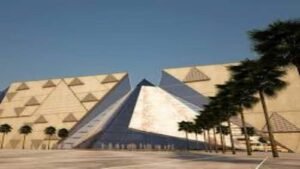
Heno — The Global Architect and His Egypt-Inspired Vision
Introduction to Architect Heno
Heno is a renowned architect celebrated for his distinctive style that bridges tradition and innovation. Educated in architecture at a prestigious university, he developed a passion for merging cultural heritage with modern design. His international career allowed him to draw inspiration from diverse environments and reinterpret classical elements through a contemporary lens.
Heno’s philosophy emphasizes the fusion of cultural symbolism and modern aesthetics. His designs go beyond visual appeal — they narrate stories of civilization and identity. By integrating Egyptian motifs and sustainable materials, he creates spaces that embody both beauty and meaning.
The Importance of Egyptian Civilization in Architecture
Ancient Egypt’s civilization, one of humanity’s oldest, remains a foundation of architectural knowledge and artistic inspiration. Monumental structures such as pyramids and temples demonstrate mastery of geometry, symmetry, and spatial harmony — principles still relevant today.
Modern architects continue to draw inspiration from these elements, combining traditional geometry and natural materials to achieve balance and endurance. Egyptian architecture’s focus on function and symbolism provides timeless lessons for sustainable and meaningful design.
Heno’s Egypt-Inspired Architectural Vision
Heno’s work reimagines the essence of Pharaonic architecture through modern design. He integrates geometric hierarchies, light manipulation, and sustainable materials to achieve harmony between tradition and innovation.
By employing modern technologies — such as renewable materials and smart construction systems — Heno merges aesthetic excellence with environmental responsibility. His Egypt-inspired vision bridges past and future, offering a blueprint for sustainable, culturally rooted architecture.
Modern Architecture and Egyptian Cultural Influence
Contemporary architecture in Egypt continues to reflect deep cultural and historical influences. By integrating traditional Egyptian motifs — such as geometric ornamentation and symbolic color palettes — modern designs preserve identity while addressing today’s functional and environmental challenges.
This synthesis fosters innovative architectural forms that honor heritage while advancing sustainable urban development.
Heno’s Notable Works
Heno’s projects include the Cultural Arts Center in Cairo, featuring sandstone columns and motifs inspired by ancient temples, and the Pyramids Hotel, which combines panoramic modern design with Egyptian materials and tones.
His Museum of Modern Egyptian Civilization showcases the evolution of Egyptian architectural styles, blending historical geometry with contemporary engineering — creating immersive cultural experiences for visitors.
Critical Reception
Critics and architects alike praise Heno for his creative approach and ability to merge Egyptian authenticity with global modernism. His focus on sustainability and contextual design has earned him widespread acclaim for advancing architectural thought rooted in cultural identity.
Art and Design in the Lands of Egyptian Civilization
Art and design have always been integral to Egypt’s cultural heritage. Sculpture, painting, and architectural ornamentation reflect deep spiritual and aesthetic values. Ancient Egyptian artists mastered balance and symbolism — producing works that continue to inspire designers worldwide.
From the intricate wall carvings of temples to vibrant murals depicting daily life, Egyptian art remains a testament to human creativity and cultural expression.
Architectural Futures Inspired by Egyptian Philosophy
Egypt’s architectural philosophy — emphasizing harmony, symbolism, and sustainability — continues to shape modern design thinking. By combining traditional principles with advanced technologies, architects can create environmentally conscious, culturally meaningful spaces.
This approach encourages a return to cultural roots while addressing contemporary challenges — ensuring that architecture remains both innovative and timeless.
Technology and Innovation in the Design of the Grand Egyptian Museum
Introduction
Technology and innovation are at the heart of the Grand Egyptian Museum’s design, which stands as one of the world’s most ambitious cultural projects. Advanced technologies preserve and display artifacts in immersive, educational ways — bridging heritage and modernity.
Augmented and virtual reality tools allow visitors to explore ancient Egypt interactively, while digital scanning and AI assist researchers in restoration and documentation. These innovations make learning more engaging and accessible.
Interactive touchscreens and personalized applications offer visitors detailed insights into artifacts, while artificial intelligence tailors educational materials to individual interests — making the museum a truly global cultural hub.
Digital Technology in Artifact Display
Digital tools such as virtual reality (VR) and augmented reality (AR) revolutionize museum experiences. Visitors can use smart devices to view 3D reconstructions, animations, and contextual stories surrounding each exhibit — enriching cultural understanding.
Through VR headsets, visitors can virtually explore ancient temples or witness royal ceremonies, transforming passive observation into an immersive journey through time.
Interactive digital screens provide additional layers of information, transforming education into entertainment while preserving Egypt’s cultural legacy for future generations.
Architectural Design and Smart Systems
The museum’s architectural design merges technology with sustainability. Smart systems regulate lighting, air conditioning, and ventilation to ensure energy efficiency and artifact preservation.
Building Information Modeling (BIM) was used during construction to coordinate all teams, minimize errors, and ensure precision. This digital-first approach sets new standards for architectural excellence in cultural institutions.
Modern Lighting Systems
Innovative lighting systems enhance the display of artifacts while minimizing energy consumption. Smart and laser-based lighting adjusts intensity and color to match environmental conditions, highlighting artistic details and improving visual comfort.
These dynamic lighting effects not only beautify exhibits but also contribute to a sustainable, environmentally friendly museum experience.
Technology in Security and Safety
The museum employs advanced technologies to ensure the highest safety standards. Intelligent surveillance cameras detect unusual behaviors, while integrated fire alarms, emergency exits, and evacuation systems guarantee visitor safety.
Remote monitoring systems further enable real-time management and rapid decision-making during emergencies — reinforcing the museum’s commitment to a secure visitor experience.
Smart Visitor Experience
Smartphone applications offer interactive maps, guided tours, and multimedia explanations, allowing visitors to navigate seamlessly and engage deeply with exhibits.
These tools turn visits into personalized educational journeys, while integration with social media encourages visitors to share their experiences — expanding the museum
’s digital reach and influence.
Digital Marketing and Promotion
Digital marketing strategies — including social media engagement, SEO-optimized websites, and educational content — play a vital role in promoting the Grand Egyptian Museum globally.
These efforts not only increase visitor numbers but also strengthen the museum’s role as an educational and cultural institution of international significance.
Collaboration with Research and Innovation Centers
Collaboration between the Grand Egyptian Museum and research institutions enhances innovation in conservation and exhibition techniques.
Joint projects have developed augmented-reality display systems and advanced restoration methods using imaging and chemical analysis — ensuring scientific accuracy and long-term preservation.
This integration of research and practice reflects the museum’s commitment to leadership in museology and cultural preservation, paving the way for new discoveries and deeper understanding of Egypt’s timeless heritage.
The Museum as an Economic and Developmental Project
Introduction: The Role of Museums in Economic Development
Museums are among the key pillars of culture and art, bridging history, science, and creativity. Beyond their cultural mission, they significantly contribute to economic and social development. Over time, museums have become major tourist attractions that drive local economies through increased visitor spending and job creation.
Museums attract visitors from across the globe, stimulating tourism and related industries. A museum visit often extends beyond exhibitions — tourists spend on nearby restaurants, hotels, and gift shops. Studies show that an increase in museum visitors leads to higher local income levels and new employment opportunities in tourism, retail, food service, and transportation sectors.
Furthermore, museums strengthen cultural identity by preserving and presenting local art and heritage. They serve as educational and cultural spaces that connect generations, raise awareness about heritage, and inspire creativity and innovation. This inspiration often translates into new ideas and investments, making museums not only cultural institutions but also dynamic economic engines driving sustainable growth.
Museums and Cultural Tourism
Museums play a central role in promoting cultural tourism by attracting global visitors eager to explore unique collections and cultural experiences. They preserve heritage and history, making them prime destinations for travelers seeking to understand a nation’s identity and civilization.
Through exhibitions, cultural festivals, and educational programs, museums create immersive environments that engage visitors and enhance tourism. Each museum visit generates not only ticket revenue but also spending on accommodation, dining, and entertainment — collectively serving as powerful economic catalysts.
Research indicates that cultural tourists tend to stay longer and spend more, benefiting local economies and supporting related businesses. Moreover, museums nurture respect for diversity and cultural appreciation, inspiring repeat visits and positive word-of-mouth promotion. This cultural exchange fosters mutual understanding between nations and strengthens economic and social ties worldwide.
Museums as Educational Centers
Modern museums have evolved far beyond being mere repositories of artifacts — they are now vibrant educational centers that foster learning across all age groups.
They offer workshops, lectures, and interactive programs that connect visitors with history, science, and art in hands-on, engaging ways. These educational initiatives cultivate critical thinking and creativity, encouraging deeper cultural understanding.
Technology has also revolutionized museum education. Mobile applications, digital guides, and interactive displays provide additional information, videos, and games, making learning both accessible and enjoyable.
Thus, museums serve as lifelong learning institutions that shape cultural awareness and intellectual growth. By investing in education, they not only preserve heritage but also contribute to social and economic development through knowledge and innovation.
Fostering Innovation and Creativity
Museums are vital incubators of innovation and creativity. By collaborating with artists and designers, they provide platforms for expression and experimentation, merging diverse cultural perspectives.
Workshops and community programs empower individuals with artistic skills, promote knowledge exchange, and inspire new creative ideas. These initiatives strengthen cultural dialogue and spark innovation in the arts.
Moreover, partnerships between museums and other cultural or educational organizations expand opportunities for creative collaboration. Integrating technology into exhibitions — such as digital installations and interactive art — further enhances engagement.
Ultimately, museums serve as catalysts for creativity, promoting sustainable innovation and inspiring communities to express, imagine, and build collectively.
Employment and Self-Employment Opportunities
Museums generate both direct and indirect employment opportunities across multiple fields — from management and education to art and design.
They provide jobs for curators, educators, conservators, technicians, and artists while indirectly supporting local craftsmen, suppliers, and service providers. Events and exhibitions also attract visitors, increasing museum income and stimulating nearby businesses such as cafés, souvenir shops, and artisan markets.
Additionally, local artists and small enterprises benefit from displaying their work within museums, fostering collaboration and community empowerment. By promoting self-sufficiency and skill development, museums contribute to long-term economic sustainability.
This model demonstrates how museums can function as self-financing ecosystems that meet community needs while supporting sustainable development goals.
Museums and the Preservation of Cultural Heritage
Museums play a crucial role in safeguarding cultural heritage and preserving history. They serve as repositories that protect and document artifacts representing collective identity — from ancient art and traditional attire to crafts and weaponry.
Through conservation and restoration programs, museums ensure the longevity of fragile artifacts using modern scientific techniques. They also educate visitors on the value of cultural preservation through exhibitions, lectures, and workshops.
Beyond preservation, museums act as cultural storytellers, offering insights into local customs and traditions. They reinforce national identity and collective memory, ensuring that cultural heritage remains a living, shared experience for future generations.
International Cooperation and Partnerships
Global partnerships among museums are essential for advancing cultural and economic development. Knowledge exchange, joint exhibitions, and traveling collections allow institutions to share expertise and reach new audiences.
Traveling exhibitions, for example, expose local communities to global art while generating tourism and commercial activity. Collaborative research initiatives between museums and universities further enhance restoration practices and educational programs.
These partnerships create sustainable cultural ecosystems, stimulate innovation, and drive economic growth through cultural exchange — proving that cooperation is not only an artistic pursuit but also a strategic driver of development.
Challenges Facing Museums as Development Projects
Despite their importance, museums face several challenges that can hinder their developmental potential.
Funding constraints often limit expansion and modernization efforts, as many rely heavily on government support or donations. Exploring private partnerships, membership programs, and fundraising campaigns can help diversify revenue sources.
Management limitations also pose obstacles. Insufficient administrative training or outdated management systems may affect operations. Enhancing staff skills and adopting modern management tools can significantly improve efficiency.
Public engagement is another challenge. Museums must increase accessibility and awareness through digital marketing and community outreach to attract diverse audiences and maintain relevance.
By addressing these challenges strategically, museums can strengthen their role as engines of cultural and economic growth.
Future Plans: Temporary Exhibitions and Cultural Events
The Cultural Role of Museums
Museums remain vital centers of knowledge and creativity, expanding cultural awareness through permanent and temporary exhibitions. These initiatives highlight heritage, inspire curiosity, and encourage critical thinking.
Cultural events such as workshops, lectures, and performances foster dialogue and inclusivity, turning museums into dynamic spaces for idea exchange. By continually updating their content, museums appeal to broader audiences — from youth to academics — ensuring a vibrant, modern experience.
Temporary Exhibitions
Temporary exhibitions are crucial in attracting new visitors and enriching the experience of returning ones. These short-term shows explore diverse artistic and cultural themes — from contemporary art to traditional crafts — offering fresh, dynamic perspectives.
They allow museums to remain relevant and responsive to changing cultural interests while showcasing both local and international creativity. This diversity transforms each visit into an engaging educational journey.
Suggested Themes for Temporary Exhibitions
Proposed themes may include:
- Contemporary Art: Presenting works by local and global artists exploring modern trends.
- Cultural Heritage: Exhibiting traditional crafts and artworks that celebrate different civilizations.
- Science and Astronomy: Merging art and science to inspire curiosity about the universe.
Such thematic variety reflects current global trends and ensures a rich, ever-evolving visitor experience.
Cultural Events: Definition and Types
Cultural events are an integral part of museums’ missions to strengthen ties between the public and the arts. These include art exhibitions, live performances, lectures, workshops, and community festivals — all designed to inspire creativity and dialogue.
Workshops allow visitors to develop new skills and interact with artisans.
Lectures bring together experts to discuss art, history, and science.
Performances highlight traditional and modern art forms, from music to theater.
Exhibitions offer immersive experiences that combine education and inspiration.
Together, these events foster inclusivity, creativity, and cultural understanding.
Collaboration with Cultural Institutions
Partnerships between museums and other cultural bodies — such as cinemas, universities, and research centers — enrich programming and audience engagement.
These collaborations lead to co-hosted exhibitions, educational symposia, and shared promotional efforts that broaden outreach, improve funding, and amplify social impact.
Through such alliances, museums strengthen their cultural influence and ensure long-term sustainability.
Community Engagement in Future Planning
Engaging visitors and local communities is essential to shaping relevant museum programs. Workshops, surveys, and digital platforms can gather public feedback and ideas for future exhibitions.
Partnerships with schools and universities promote cultural literacy and youth participation. This inclusive approach ensures that museums remain responsive, community-centered, and culturally vibrant institutions.
Marketing and Promotion Strategies
Effective marketing is vital for attracting visitors. Social media platforms like Facebook, Instagram, and X (Twitter) offer powerful tools for promoting events, sharing visuals, and engaging audiences.
Campaigns should feature creative visuals, countdowns to events, and influencer collaborations to expand reach. Competitions and giveaways can boost interaction and strengthen audience loyalty.
Such digital strategies not only increase attendance but also position the museum as an accessible and inspiring cultural destination.
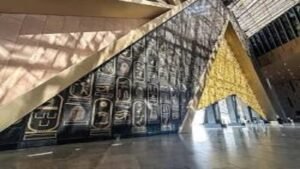
How the Museum Keeps Pace with Digital Transformation and Global Culture
Introduction to Digital Transformation
Digital transformation — the integration of technology into every aspect of operations — is reshaping how institutions function and engage audiences. For museums, it represents an opportunity to modernize exhibits, expand global reach, and enhance visitor experiences.
Around 85% of museums worldwide have already adopted some form of digital transformation, from online exhibitions to mobile apps. These technologies make culture more accessible, fostering global inclusivity and connection.
Thus, digital transformation has become indispensable for museums seeking relevance and resilience in the modern world.
Museums and the Preservation of Cultural Heritage
Digitization allows museums to preserve, document, and share cultural heritage more effectively. By creating high-resolution digital archives, museums protect artworks from environmental damage and enable global access for research and education.
Virtual and augmented reality tools further enrich this preservation effort by allowing remote visitors to explore collections interactively. As a result, museums have evolved from static archives into living digital platforms connecting past and present generations.
Digital Experiences in Museums
Virtual reality (VR) and augmented reality (AR) redefine museum experiences by merging physical and digital worlds. Visitors can embark on immersive journeys through ancient history or visualize restored artifacts in their original contexts.
Interactive tours and mobile applications guide visitors through exhibits with personalized, multimedia storytelling — enhancing engagement and accessibility.
These digital innovations make museums more inclusive, educational, and captivating for global audiences.
Social Media Interaction
Social media has become a vital communication channel for museums, enabling them to share exhibitions, updates, and educational content in real time.
Instagram showcases visual collections for younger audiences, while Facebook fosters discussion and community building. Online contests and interactive challenges encourage visitors to participate creatively, expanding the museum’s cultural impact.
Global Cultural Engagement Initiatives
International museums now collaborate to promote cross-cultural understanding through joint exhibitions, virtual tours, and digital art exchanges. These initiatives celebrate diversity, strengthen cultural diplomacy, and connect global audiences.
By leveraging technology, museums bring the world’s art to every home, fostering global unity through shared appreciation of heritage and creativity.
Digital Education and Interaction
Digital learning programs — including virtual tours, webinars, and online resources — enable museums to reach wider audiences and deliver high-quality education beyond physical boundaries.
Through expert-led virtual seminars and interactive content, museums continue to fulfill their mission as educational institutions that inspire curiosity, creativity, and cultural awareness.
The Importance of Data in Enhancing Museum Experiences
Big Data analytics help museums understand visitor behavior, optimize exhibit layouts, and personalize content. By analyzing attendance patterns and interests, museums can improve services, schedule events efficiently, and tailor educational programs.
Data-driven insights not only refine visitor experiences but also boost operational performance and audience satisfaction.
Challenges of Digital Transformation
Despite its benefits, digital transformation poses challenges — including limited budgets, technical skill gaps, and data privacy concerns.
Smaller museums may struggle to finance digital upgrades or train staff in emerging technologies. Ensuring data security and maintaining visitor trust are also major priorities.
Addressing these challenges through training, partnerships, and policy reforms is essential for successful adaptation.
Looking Ahead: The Future of Museums in the Digital Age
The future of museums lies in embracing digital innovation to enhance cultural interaction and accessibility.
Virtual and augmented reality will continue to redefine storytelling, while AI and data analytics will personalize visitor journeys. Cross-border collaborations will expand cultural dialogue, making museums not only centers of preservation but also beacons of digital creativity and global unity.
In this new era, museums will stand as dynamic spaces where technology, art, and humanity converge — preserving the past while shaping the future.
Conclusion
The concept of establishing the Grand Egyptian Museum stands as a powerful symbol of Egypt’s rich cultural and historical heritage. Since its inception, the museum has represented far more than a mere cultural venue for displaying artifacts — it has become a true emblem of modern Egyptian identity. It reflects Egypt’s deep commitment to preserving its monuments and history while reinforcing its role as a leading cultural hub in the region.
The goal of the museum was never limited to collecting ancient relics. Rather, it has driven the growth of cultural tourism, attracting visitors throughout the year. The Grand Egyptian Museum exemplifies how art and history can merge to create a uniquely immersive experience for visitors, raising global awareness about ancient Egyptian civilization and the importance of preserving it for future generations.
Furthermore, the museum contributes significantly to scientific research and academic studies related to Egyptology. By offering a state-of-the-art platform for scholars and students, it serves as a center for innovation and problem-solving — demonstrating the vital role of culture in contemporary society.
Thus, the Grand Egyptian Museum is not merely a tourist attraction; it is a window into Egypt’s glorious past — a source of pride for every Egyptian and a beacon that connects history with the future.
Through all these dimensions, it becomes clear that the museum possesses the power to influence society by preserving and strengthening national identity, making it a truly remarkable project that deserves recognition. With each phase of its construction and development, anticipation continues to grow for how this magnificent cultural landmark will shape the future of Egyptian culture.
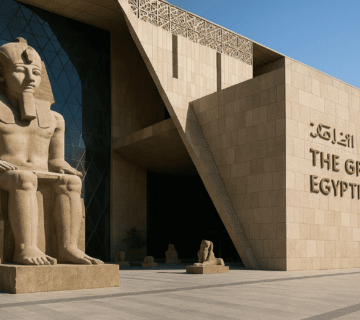


No comment